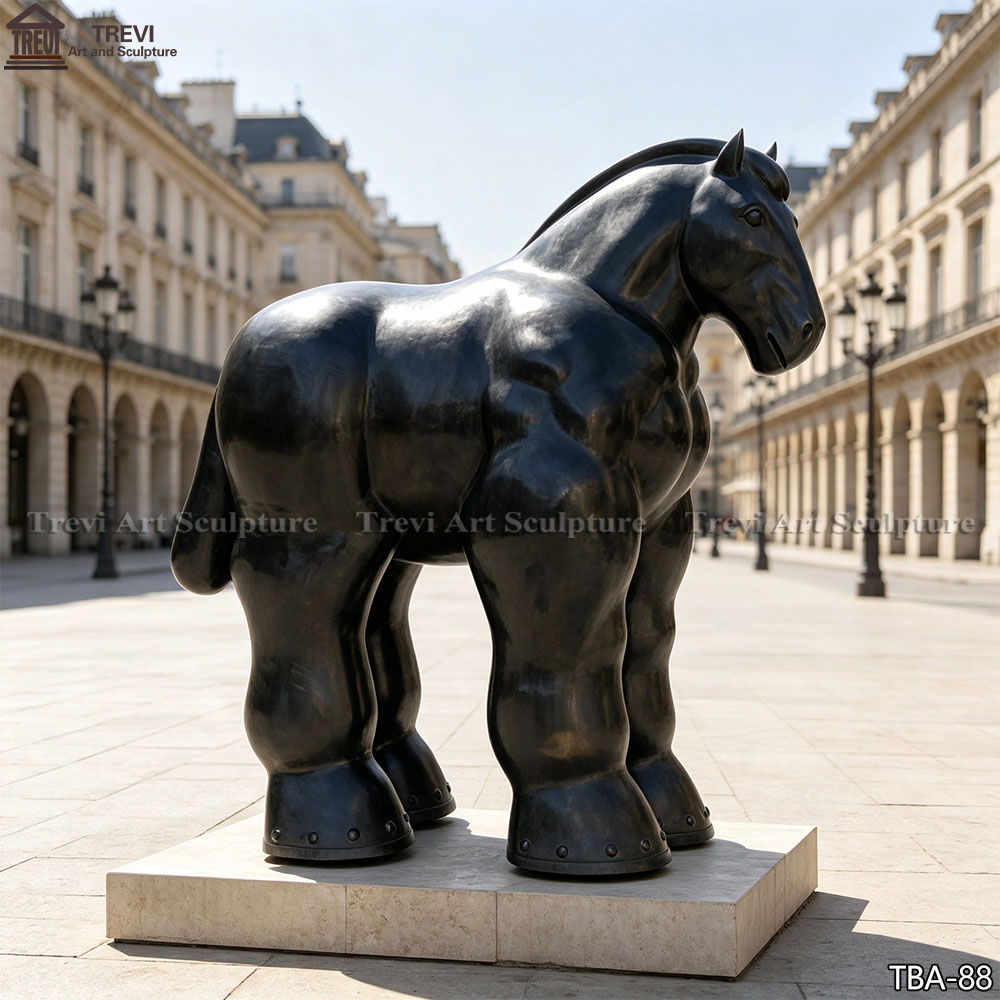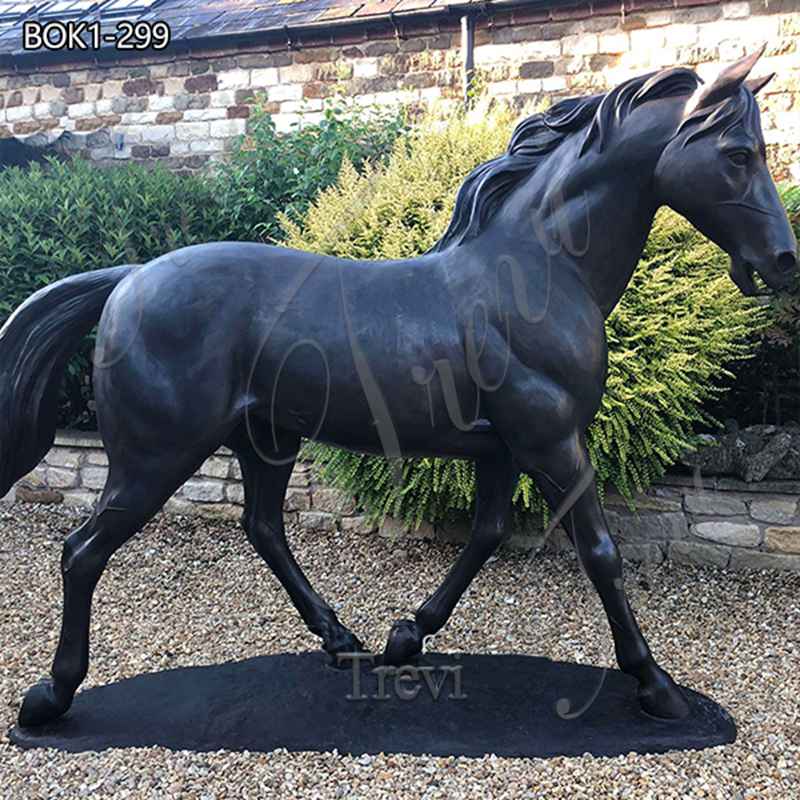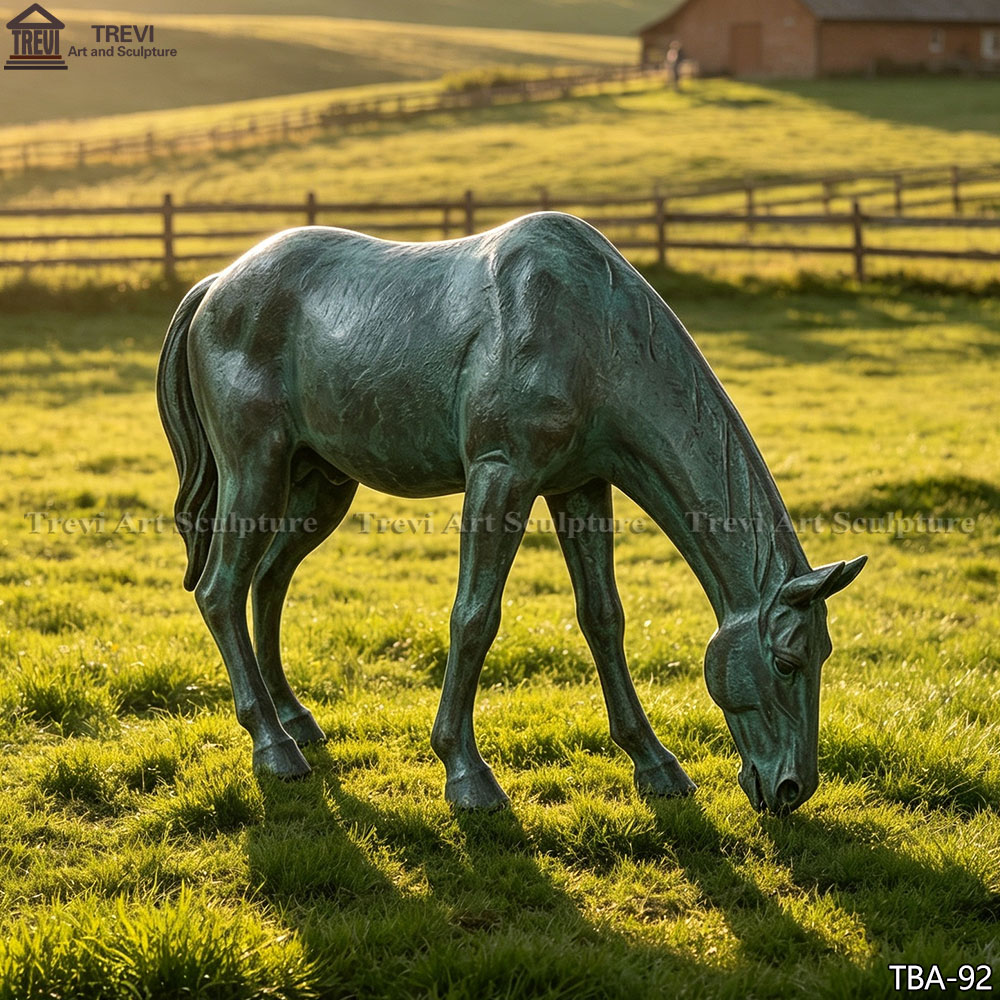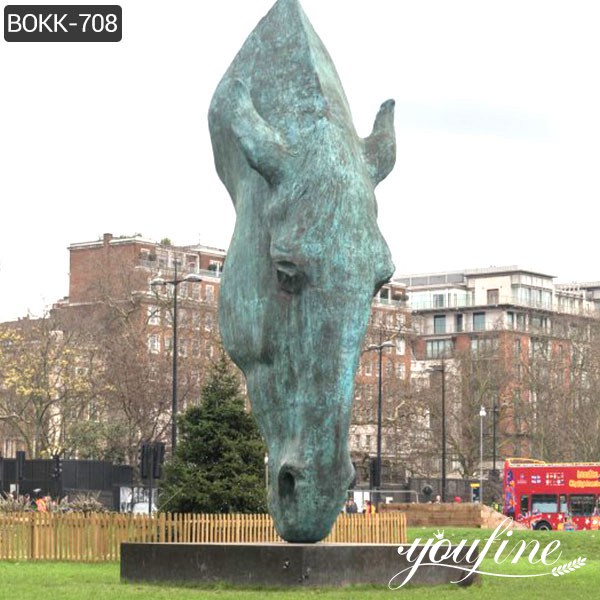
Give the bronze a visual pause
Detailed sculpture needs negative space. Clear an area at least one third wider than the figure and resist filling every gap with books. A dark bronze reads beautifully against pale oak, limewash or a lightly papered shelf back; green patina is strongest against charcoal, walnut and oxblood tones.
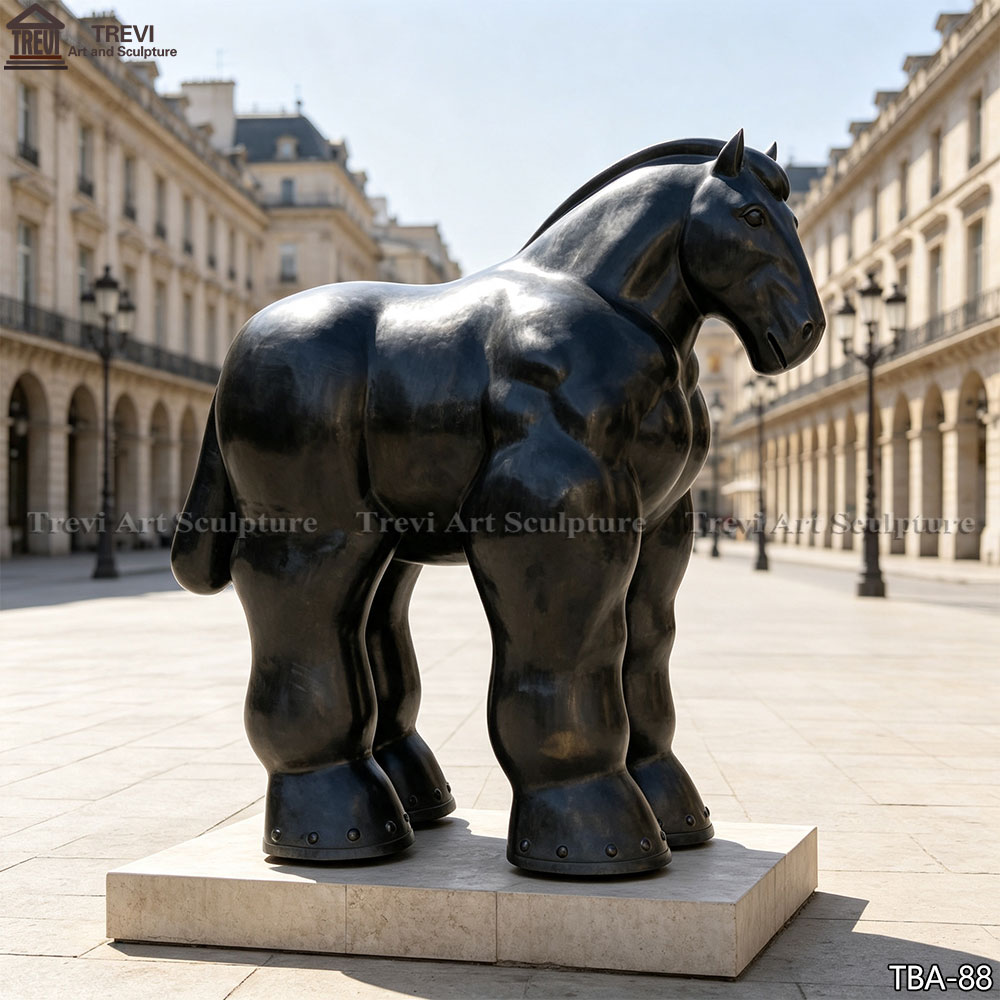
Place the horse slightly off center and turn its head toward the open side of the shelf. This small directional cue makes the composition feel active and intentional.
Build a quiet hierarchy
Begin with the sculpture, add a short stack of books to vary height, then one rounded object to contrast with the horse’s angular legs. Three elements are often enough. Repeat bronze elsewhere in the room through a lamp hinge, picture frame or cabinet pull—not another horse on every shelf.
If the bronze is a bust, let the base align with the vertical edge of a book stack. For a full figure, keep the shelf beneath visually calm so the legs remain readable.
Protect art and furniture
A compact bronze may be surprisingly heavy. Confirm the shelf capacity and use a discreet felt pad or conservation-grade museum wax to prevent movement. Do not allow metal feet to sit directly on delicate lacquer or veneer.
Dust with a soft dry brush, supporting projecting details with your other hand. Avoid household polish: it can alter a hand-applied patina and collect in textured areas.
At a glance
- Keep sculpture away from unstable shelf edges.
- Use warm, low-glare integrated lighting.
- Rotate books, not the bronze, when refreshing the arrangement.