Write a useful creative brief
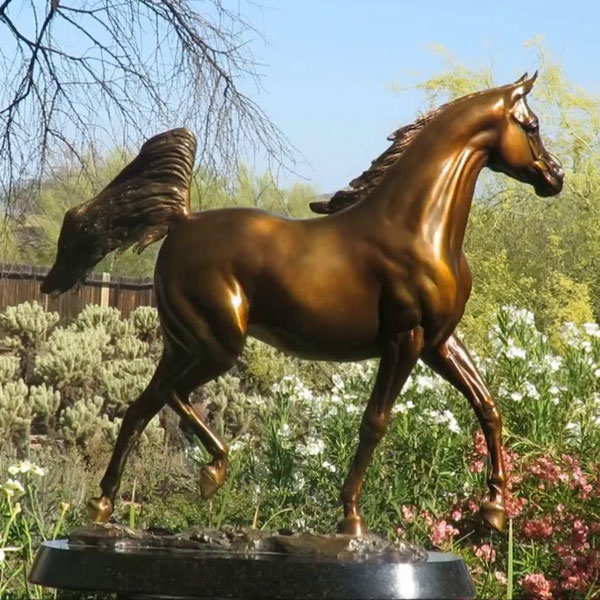
Begin with purpose and place. Is the work a portrait, memorial, mascot, garden focal point or architectural landmark? Share site photographs, approximate dimensions, viewing distances and the emotional character you want—calm, noble, spirited or competitive.
For a portrait, provide clear images from both sides, front, rear and three-quarter angles, plus close views of head, markings and tack. Video helps the sculptor understand movement and temperament.
Approve in the right order
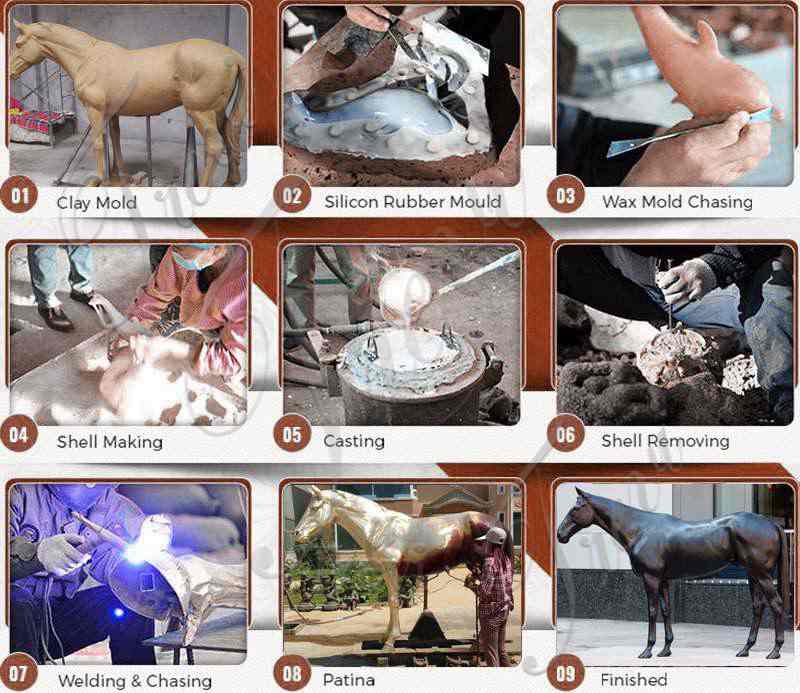
A reliable process moves from concept and quotation to small model or digital composition, then full clay. Approve overall silhouette and proportion before focusing on small details. Once the clay is accepted, ask for a complete set of dated photographs that becomes the visual standard for casting.
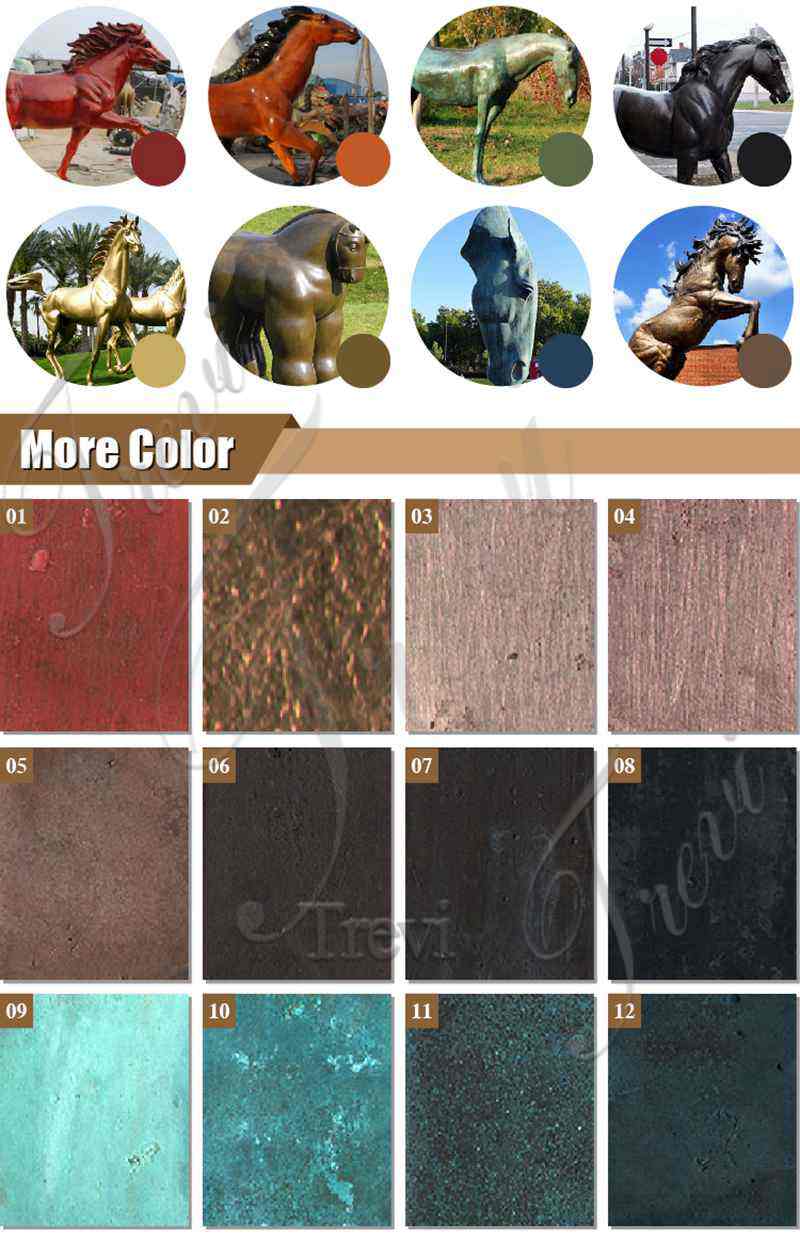
Patina should be approved with a physical sample or clear reference, while recognizing that hand-applied finishes naturally vary. Confirm whether color is intended to remain stable under wax or evolve outdoors.
Plan the whole journey
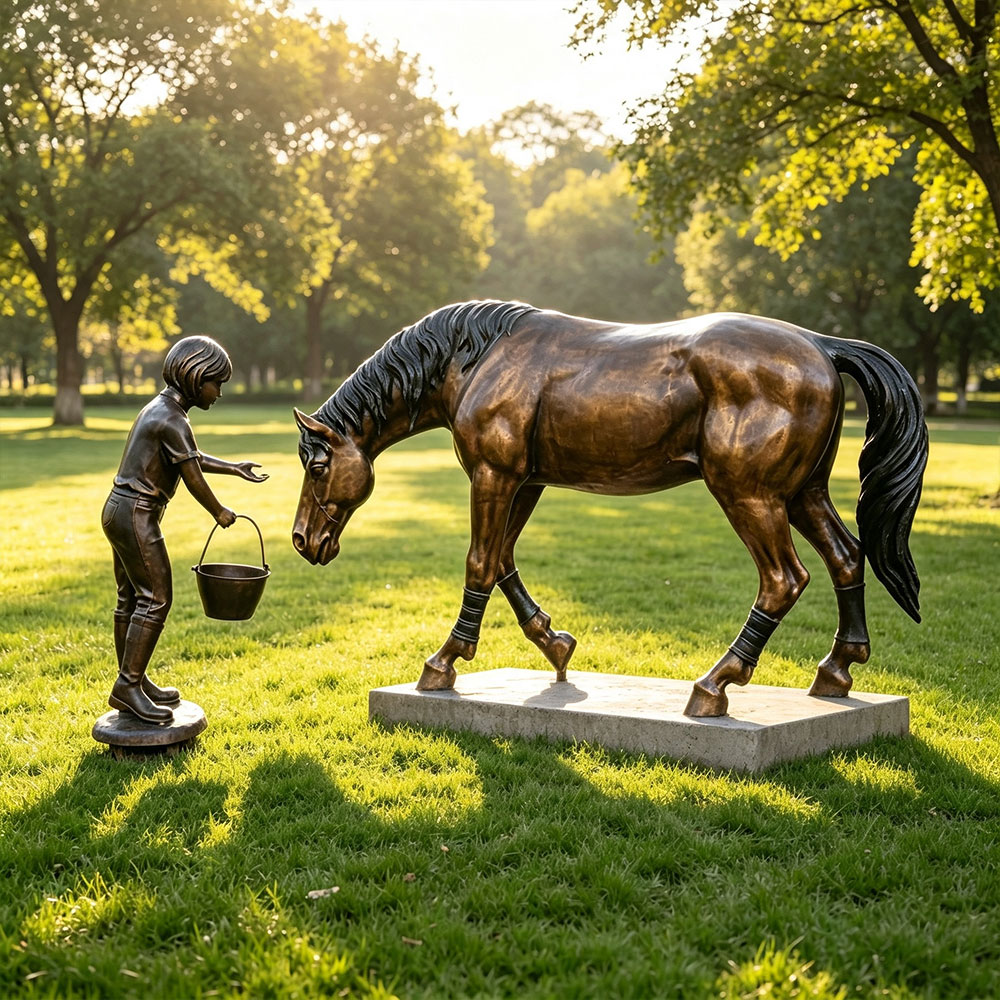
The sculpture is only one part of a successful commission. Resolve base design, structural connections, drainage, access, freight route and local lifting equipment early. Large works may need to be divided into transport sections and reassembled on site.
Your agreement should identify size, material, scope of customization, approval milestones, estimated schedule, packaging, delivery terms and after-sales support. Maintain one organized record of messages, drawings and approved images from start to installation.
At a glance
- Name one person to consolidate feedback.
- Do not skip full-clay approval.
- Confirm anchors before the foundation is built.