Judge the sculpture before the finish
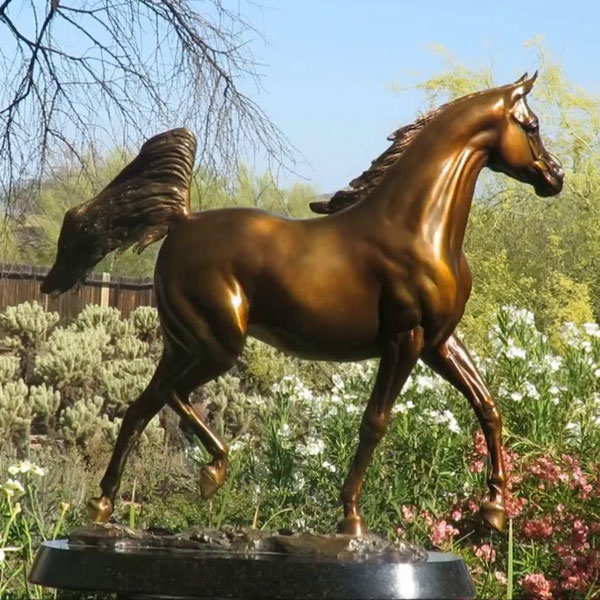
A glossy patina cannot rescue weak modeling. Walk around the horse and check whether weight feels supported through the legs, the shoulder and hindquarter transitions are believable, and the pose remains convincing from the rear. Expression should come from the whole head and neck, not exaggerated eyes alone.
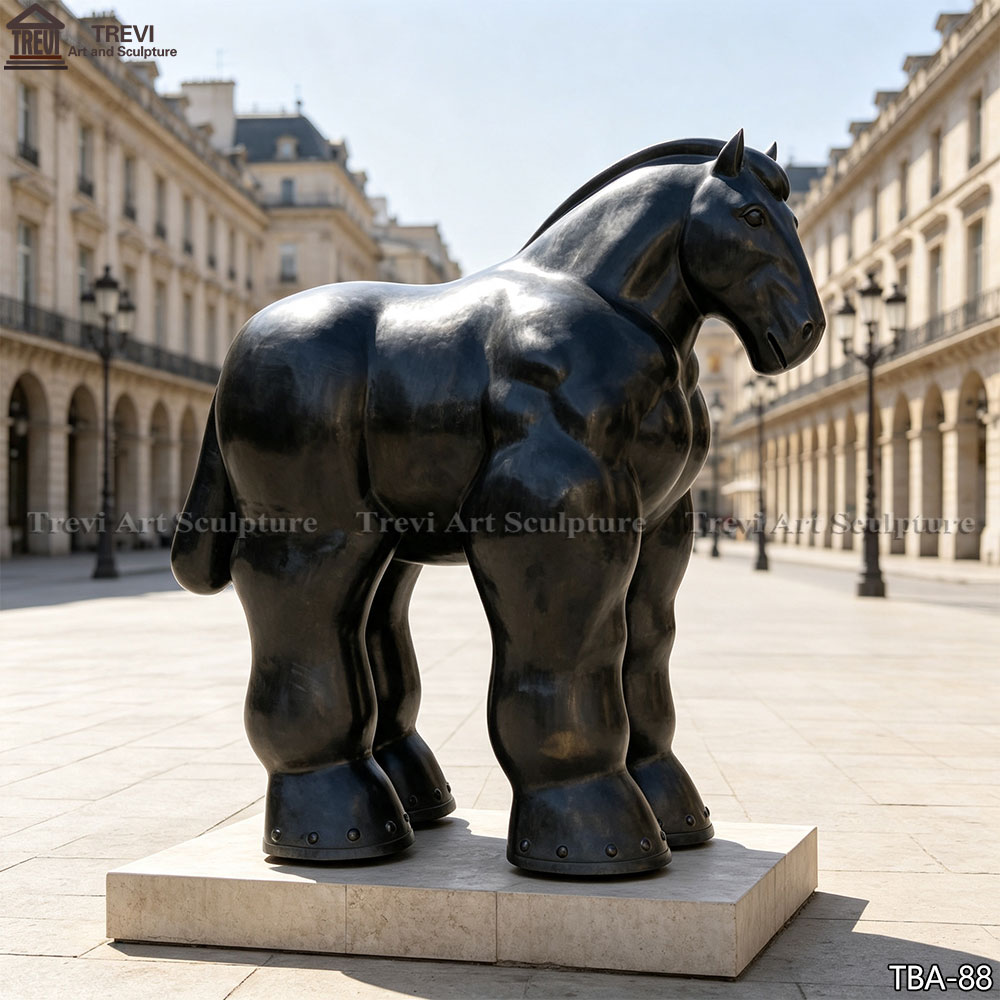
For stylized work, anatomy may be intentionally changed, but the changes should feel consistent. Look for a clear visual idea rather than random distortion.
Inspect the metalwork
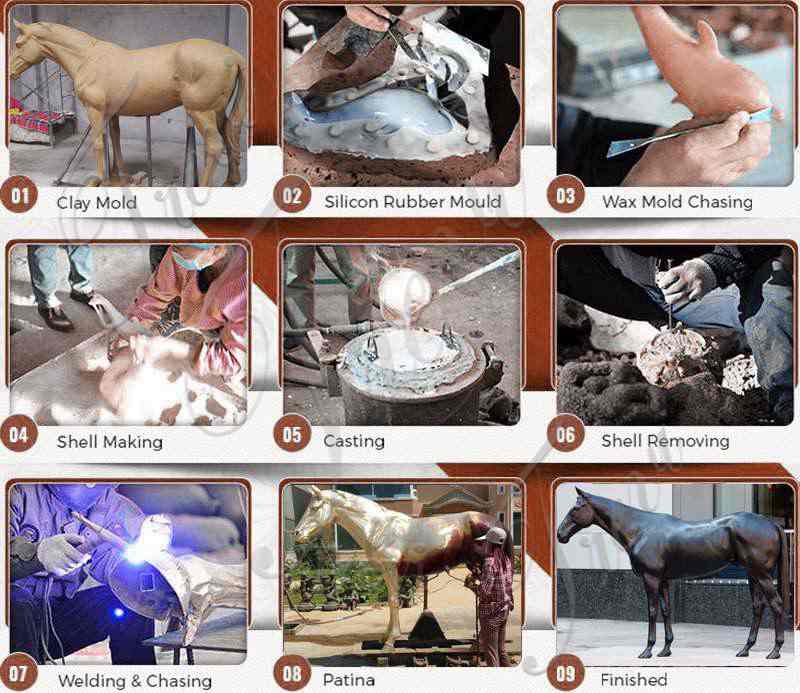
Good chasing makes assembly seams disappear without erasing the sculptor’s surface. Look along the barrel, neck and legs for abrupt texture changes, grinding scars or visible weld lines. Thin projected elements should feel deliberately resolved, not brittle or roughly attached.
Ask whether the work is cast bronze or resin with bronze powder. Both can have decorative uses, but they are different materials and should be described and priced honestly. A foundry should state alloy, casting method and approximate weight.
Read the patina and paperwork
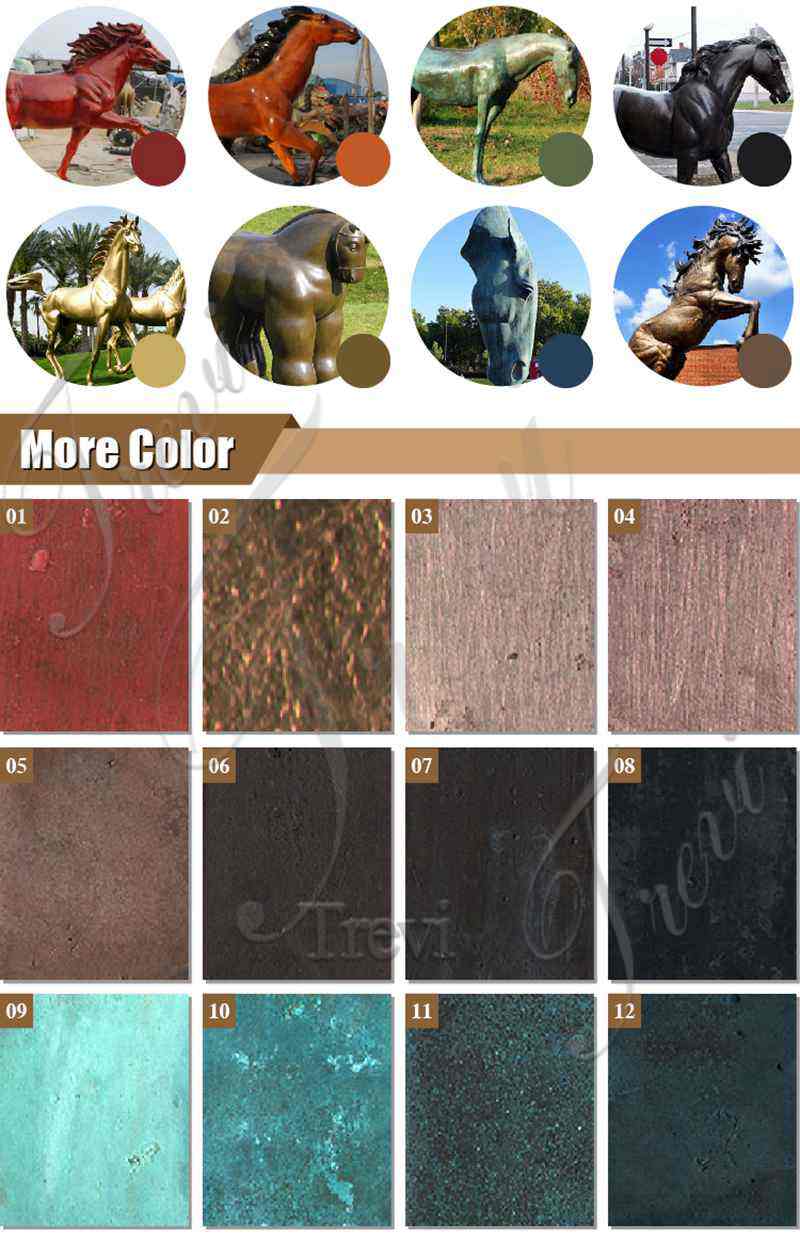
Quality patina has depth. Color settles differently across recesses and high points, reinforcing form. Uniform paint-like color, drips or cloudy wax can indicate rushed finishing. On outdoor work, ask how the chosen finish is expected to weather.
For an edition or commission, retain invoices, dimensions, photographs, artist or foundry attribution, and care instructions. Confirm base engineering and anchors for any large installation before shipping.
At a glance
- View close details and the complete silhouette.
- Request current-workshop photographs.
- Treat a clear specification as part of quality.