The monument and the city
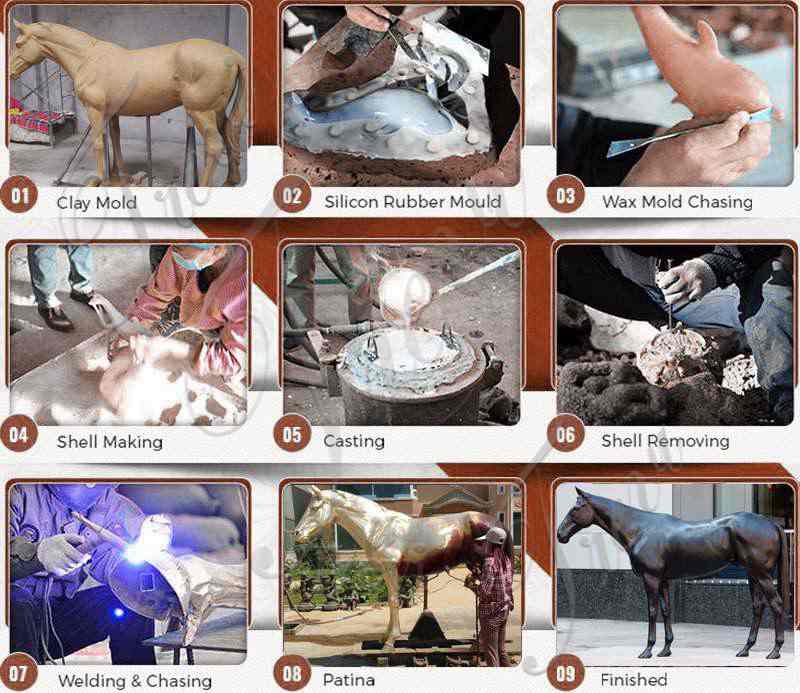
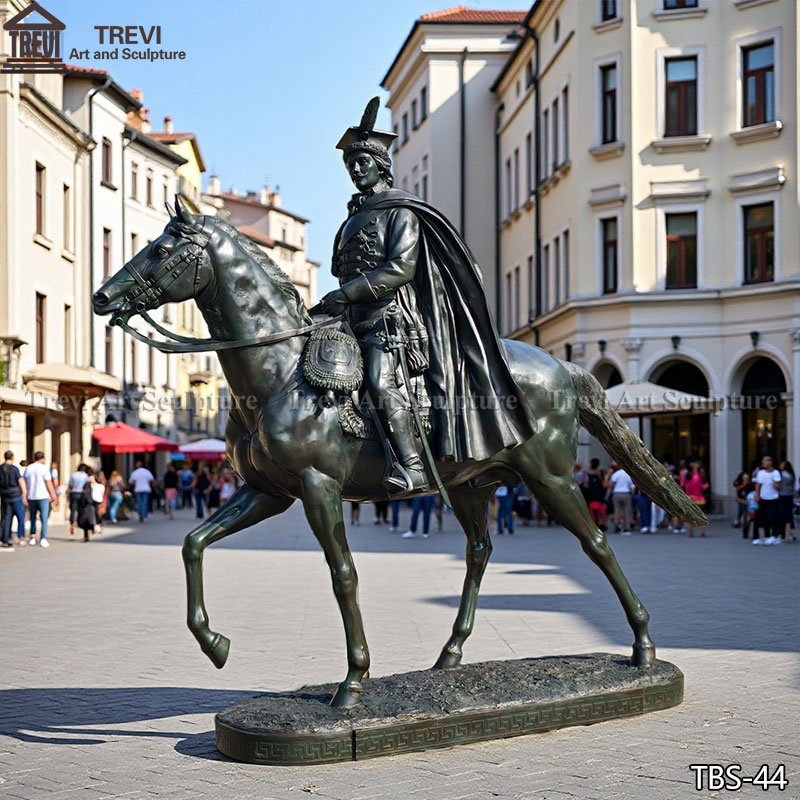
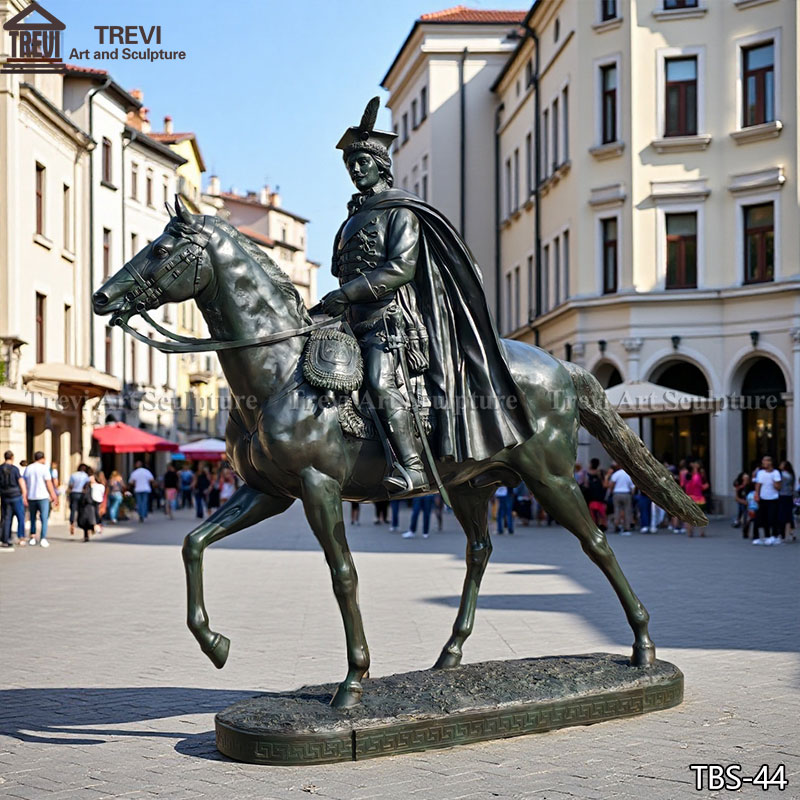
Large equestrian sculpture has long occupied civic space because horse and rider create an inherently visible composition. Elevated above the crowd, the pair could project leadership, military authority and continuity. Bronze made these ambitious open forms possible and durable.
Renaissance artists renewed interest in the technical and symbolic potential of the mounted figure. Their works balanced observation of the living animal with carefully staged public image.
From hero to horse
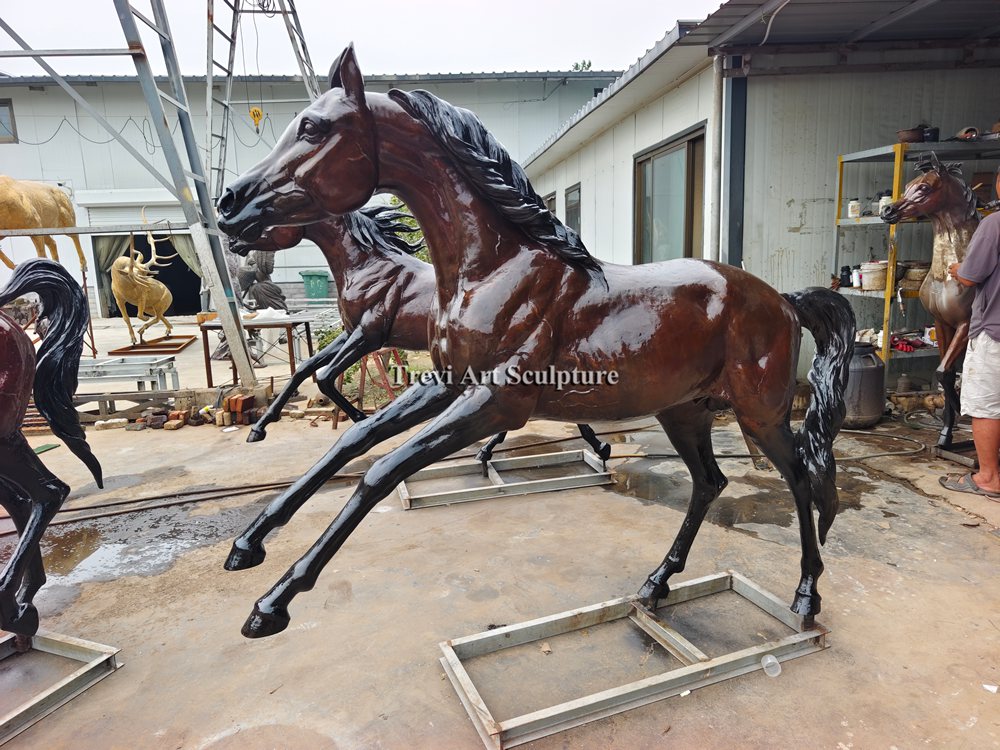
Over time, artists increasingly treated the horse as a subject with its own psychology. Sporting art, breeding culture and improved anatomical study shifted attention toward individual movement, temperament and type. Portraits of celebrated racehorses could carry as much identity as portraits of their owners.
The nineteenth and twentieth centuries widened the field further, from energetic animalier bronzes to simplified and abstracted bodies. The horse became a way to explore volume, rhythm and emotion, not only status.
Equestrian art at home
As sculpture moved into gardens and interiors, scale and meaning became more personal. A compact bronze might recall a family tradition; a life-size horse could animate an estate landscape; a contemporary form could provide contrast within minimal architecture.
Today’s commissions inherit this long history but need not imitate it. The most successful works connect the horse’s enduring visual power to a specific place, story and way of living.
At a glance
- Look beyond period labels to pose and purpose.
- Consider how original viewing context shaped a work.
- Commission for today’s site rather than copying a monument blindly.