Power shaped by partnership
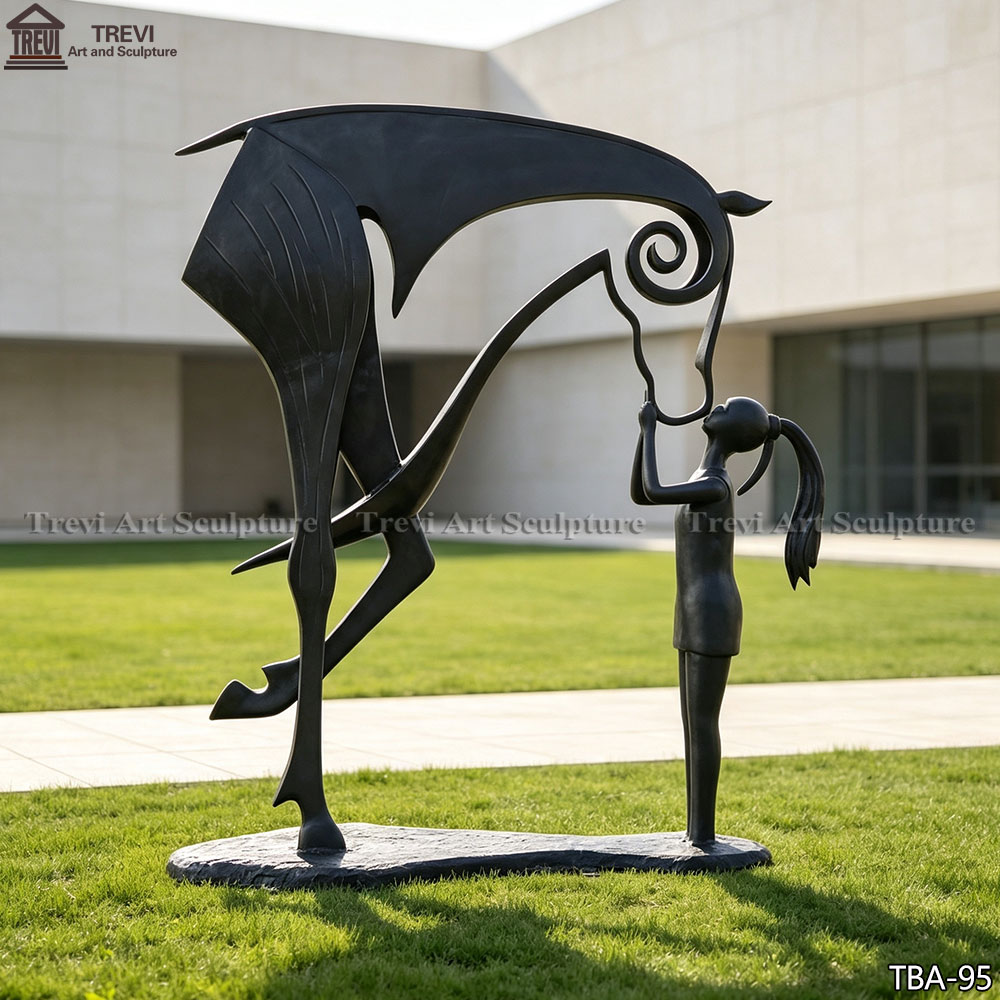
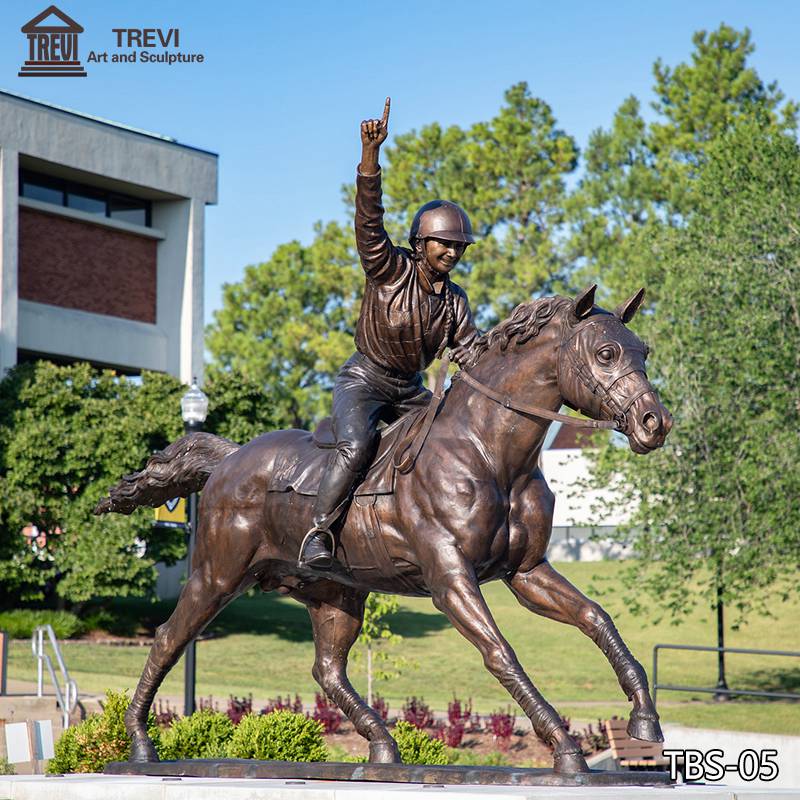
Across Western visual culture, the horse rarely represents strength alone. It represents strength brought into relationship with human intention. In an equestrian monument, the rider may embody authority, but the horse supplies motion, scale and emotional force. The pair becomes a study in leadership and trust.
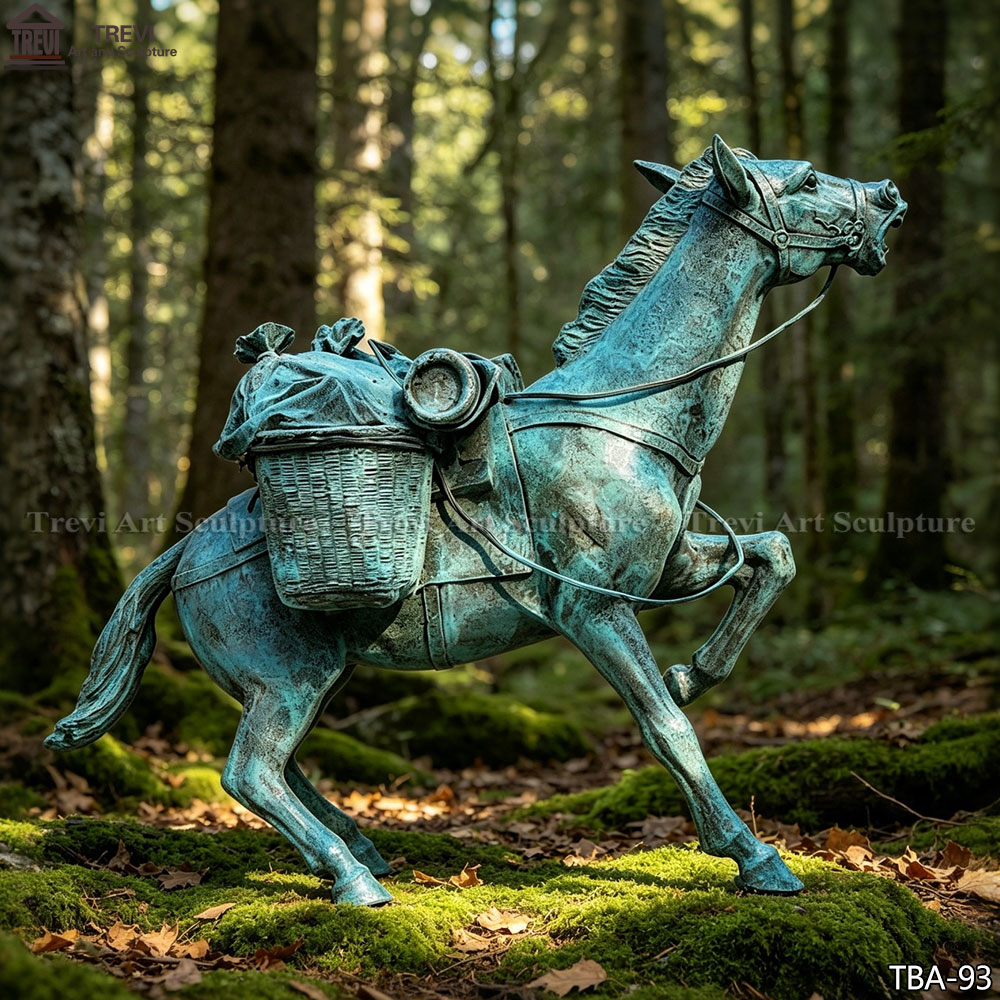
That history is complicated as well as grand. Horses carried armies and rulers, but also farmers, messengers and migrants. Contemporary sculpture can acknowledge this wider partnership rather than repeat only the language of conquest.
Freedom on the open horizon
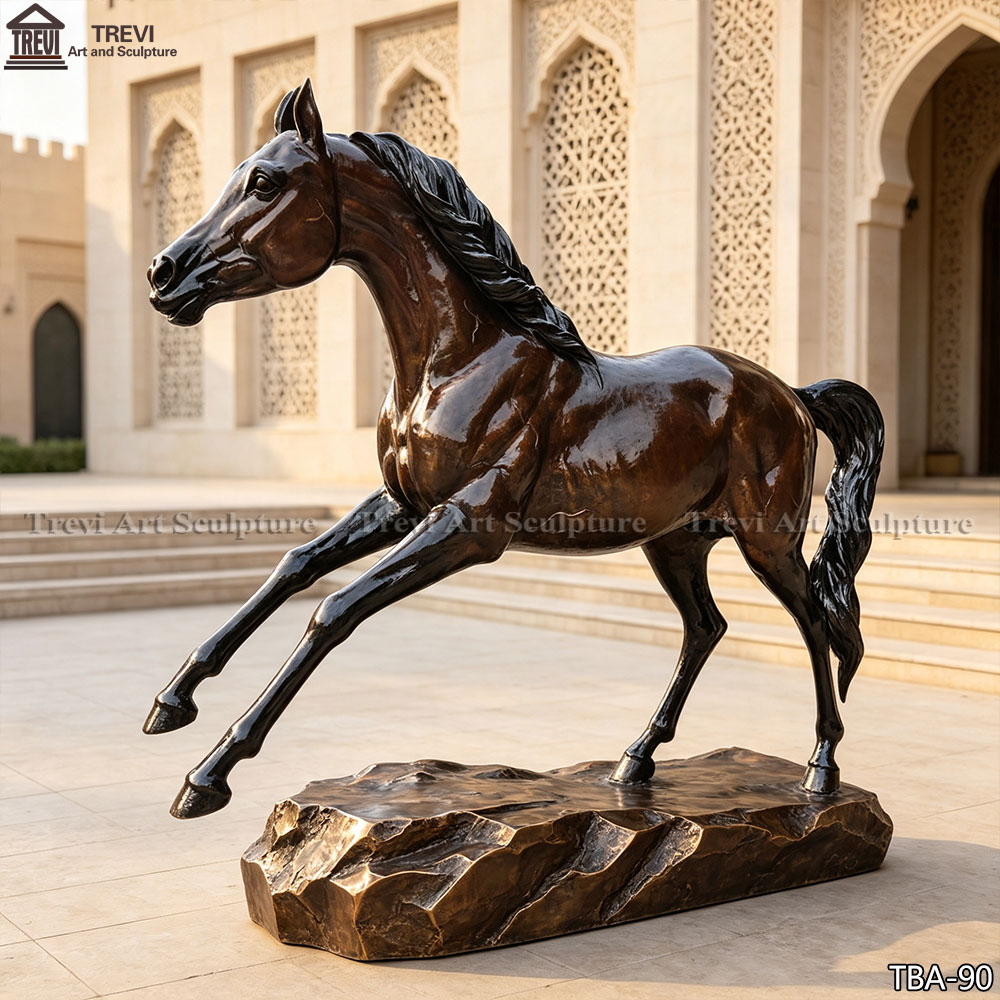
The running or unbridled horse became a powerful image of freedom because its body makes open space visible. Flowing mane, lifted tail and extended stride suggest a life beyond enclosure. In frontier and western art, this symbolism connects the horse to distance, risk and self-reliance.
A solitary horse often reads as independence. A herd shifts the meaning toward belonging, migration and shared instinct. Artists use these choices to move from a personal emblem to a social story.
Pose changes the meaning
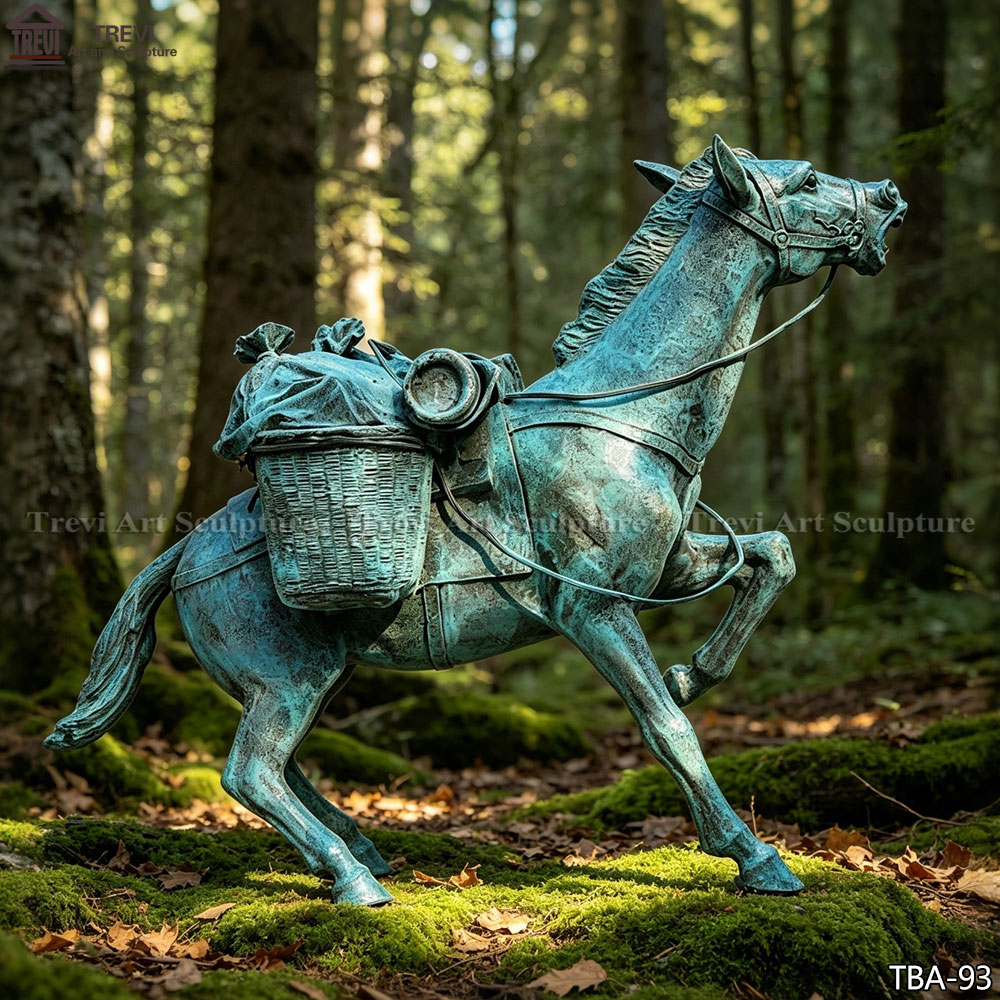
Standing horses convey readiness and dignity; grazing horses suggest peace and abundance; rearing horses intensify courage and resistance. A mare and foal speak to continuity and protection, while horse-and-rider portraits can preserve a specific biography.
These meanings are not fixed rules. Context, scale and placement shape interpretation. A small rearing bronze on a study desk feels aspirational; the same pose at monumental scale may feel triumphal. The best sculpture allows more than one reading.
At a glance
- Choose symbolism that fits the site’s story.
- Consider herd versus solitary compositions.
- Let pose carry the message before adding an inscription.